

The Cost of Downtime: Why Cheap Piping Material Can Be an Expensive Mistake
When planning a new compressed air system, the lowest initial quote can be tempting. Piping may seem like a relatively simple part of the installation, making it easy to focus on upfront material costs rather than long-term performance.
But the piping system is responsible for delivering compressed air throughout your facility. Material selection, installation quality, pipe sizing, and system design can all affect pressure drop, leaks, maintenance requirements, and ultimately the cost of operating your compressed air system.
Choosing the right piping material isn’t simply about what costs the least today. It’s about selecting a system that can reliably serve your facility for years to come.
1. Air Leaks Can Become a Significant Operating Expense
Compressed air is expensive to produce, and every leak represents compressed air that your compressor is producing without providing useful work.
Leaks can develop around fittings, joints, valves, hoses, and other connection points. The cost of a leak depends on factors such as its size, system pressure, operating hours, electricity cost, and compressor efficiency.
Even relatively small leaks can become expensive when they operate continuously. A piping system that is difficult to maintain or prone to leaking can therefore increase operating costs over time.
The takeaway: Don’t just consider the purchase price of the pipe. Consider how effectively the complete system can maintain reliable, leak-resistant connections throughout its service life.

2. Pressure Drop Can Lead to Higher Operating Costs
Compressed air loses pressure as it travels through piping. Pipe diameter, length, fittings, valves, changes in direction, and internal surface characteristics can all contribute to pressure drop.
When pressure at the point of use is lower than required, operators may compensate by increasing compressor discharge pressure. That can increase the amount of energy required to produce the compressed air.
Proper pipe sizing and an efficient layout can help minimize unnecessary pressure drop and deliver more consistent pressure to equipment and workstations.
3. Material Selection Matters for Safety and Reliability
Not every type of pipe is appropriate for compressed air service. Material selection should take into account operating pressure, temperature, compatibility with compressor lubricants and other substances, installation requirements, and the manufacturer’s intended application.
PVC piping deserves particular attention. PVC is generally not recommended for compressed air distribution because it can become brittle over time and may fail in a manner that creates hazardous fragments. Always use piping products specifically designed and approved for compressed air applications.
For industrial compressed air systems, purpose-built piping materials such as aluminum, stainless steel, and other approved systems can provide a more appropriate long-term solution.

The Real Cost of a Piping Failure
The cost of an inexpensive piping system isn’t limited to the material itself. When a failure occurs, the resulting expense can include much more than replacement pipe.
| Cost Factor | Potential Impact |
|---|---|
| Maintenance Labor | Unexpected repairs can require additional labor and emergency maintenance. |
| Production Downtime | Equipment without adequate compressed air may have to stop operating. |
| Air Leaks | Leaks can increase compressor runtime and energy consumption. |
| Corrosion and Contamination | Corroding piping can introduce contaminants into the compressed air system. |
| Future Replacement | Replacing an unsuitable piping system later can cost substantially more than installing the right system initially. |
Why Modular Aluminum Piping Is Worth Considering
Modern modular aluminum compressed air piping systems are designed specifically to make compressed air distribution easier to install, modify, and maintain.
- Corrosion Resistance: Aluminum piping does not rust like traditional carbon steel piping.
- Efficient Installation: Modular components can simplify installation and reduce the amount of cutting, threading, and welding required.
- Easy Expansion: Additional drops and branches can be added as your facility grows or equipment layouts change.
- Consistent Internal Surface: Purpose-built piping systems can help reduce unnecessary restrictions and pressure losses.
- Professional Appearance: Modular systems provide a clean, organized installation for production floors and industrial facilities.
Look Beyond the Initial Price
The lowest material cost doesn’t necessarily produce the lowest total cost of ownership. When evaluating a compressed air piping system, consider the entire lifecycle of the installation—including energy consumption, maintenance, future modifications, reliability, and potential downtime.
A properly designed system can help reduce unnecessary pressure drop, minimize leaks, simplify maintenance, and provide the flexibility needed as your facility changes.
In other words, you’re not just buying pipe. You’re investing in the infrastructure that delivers compressed air to your equipment every day.
Need Help Choosing Compressed Air Piping?
Air Piping Sales offers compressed air piping, fittings, drops, and related components for industrial and commercial applications. Whether you’re designing a new system, replacing aging piping, or expanding an existing installation, we’re here to help you explore the available options.
Contact Air Piping Sales today to learn more about compressed air piping solutions for your facility.
Want to learn more about the complete air system? Visit Compressor Now equipment sales. Or need help with tool selection visit Pneumatic Now tool sales.


Guide to Compressed Air Fittings: Push vs. Threaded
Push-to-connect fittings offer fast, modular setup for drops, while durable threaded fittings best suit high-pressure main lines.

“Silent Thief”: How Poor Layout Leaks Your Energy
Inefficient compressed air piping causes pressure drops and leaks that waste up to 30% energy; smart loop layouts eliminate these...
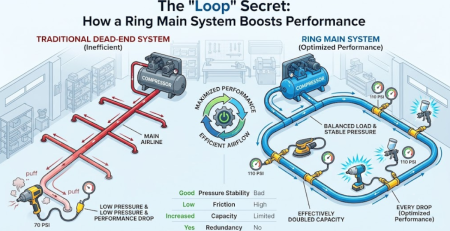
How a Ring Main System Boosts Performance
Discover the power of a Ring Main system. Learn how looping your compressed air lines stabilizes pressure, cuts friction, and...
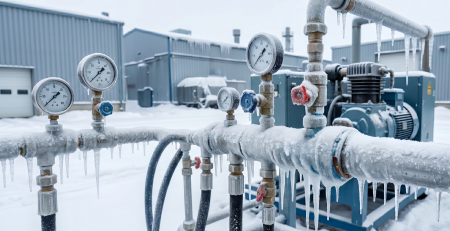
Prevent Frozen Compressed Air Lines in Winter
Don't let freezing temperatures ruin your tools. Learn how to winter-proof your compressed air lines and prevent ice plugs from...
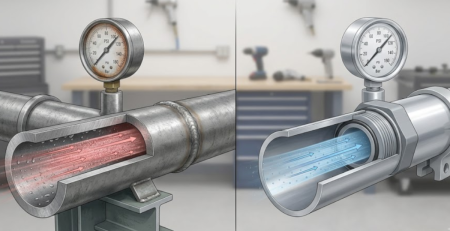
Aluminum: Why Facilities are Trading Steel
Modern facilities are replacing steel with aluminum piping for better efficiency, cleaner air, lower maintenance, and long-term cost savings.
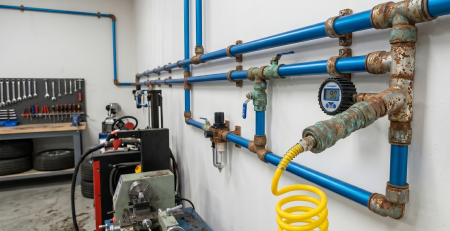
Meeting ESG Goals with Efficient Air Piping
Zero-Leak Sustainability: Learn how efficient air piping can reduce energy waste, lower emissions, and help industrial facilities meet ESG goals.
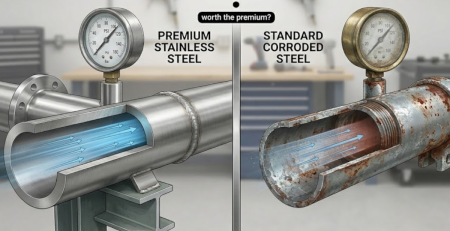
Is Stainless Steel Worth the Premium?
Is stainless steel piping worth the premium? Explore how corrosion resistance, energy savings, and longevity can deliver long-term ROI.
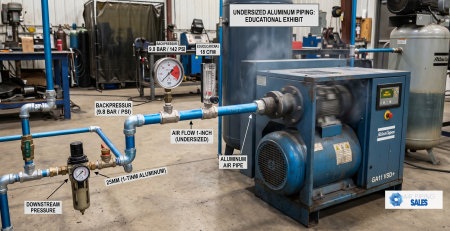
Undersized Compressed Air System: 5 Signs
5 Signs Your Compressed Air System is Undersized (And How to Fix It)In the world of manufacturing, a compressed...
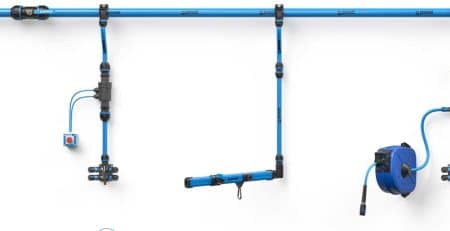
Aluminum Piping vs. Black Iron: Best Compressed Air?
Aluminum vs. Black Iron: Why Your Piping Material Choice is Killing Your ToolsWhen setting up a compressed air system, most...
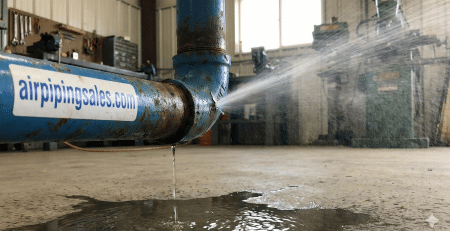
Addressing Costly Air Leaks
How Much Are Your Air Leaks Actually Costing You?Often times the "hiss" of a compressed air leak blends into the...