Winter-Proofing Your Air Lines: Preventing Frozen Pipes and Moisture Build-Up
Cold weather can be one of the biggest threats to a compressed air system. While many facilities focus on protecting equipment from extreme heat, winter introduces a different challenge that can quickly lead to downtime: moisture. When temperatures drop, the water vapor inside compressed air lines can freeze, creating blockages, damaging components, and reducing the reliability of your entire air system.
If you have ever started a shift on a freezing morning only to find air tools spitting ice, valves sticking, or equipment running inconsistently, you have likely experienced the effects of moisture buildup. Preventing these issues starts with understanding how compressed air systems create moisture and taking the right steps to prepare your system before freezing conditions arrive.
The Physics Behind Frozen Compressed Air Lines
When atmospheric air enters a compressor, it contains moisture in the form of water vapor. During compression, the air becomes hot and the moisture becomes concentrated. As the compressed air travels through cooler piping, the air temperature drops and reaches its dew point. At that point, water vapor condenses into liquid water.
In warm conditions, this moisture can often be removed through filters, separators, and drains. However, when temperatures fall below freezing, that collected water can turn into ice. Ice buildup inside a pipe can restrict airflow, create pressure drops, and in severe cases completely block the air supply.
This is why a properly designed compressed air system requires more than just a compressor. The entire system, including piping, dryers, filtration, storage tanks, and drains, must work together to deliver clean and reliable air.
Understanding the Complete Compressed Air System
A compressed air system typically starts with the compressor, which generates pressurized air for industrial equipment, pneumatic tools, and production processes. However, the compressor is only one part of the equation. Once air is compressed, it must be cooled, dried, filtered, stored, and distributed efficiently throughout the facility.
Common components of a complete compressed air system include:
- Air Compressors: The source of compressed air. Rotary screw compressors, reciprocating compressors, and other compressor types are selected based on required airflow, pressure, duty cycle, and application.
- Air Receivers and Storage Tanks: Tanks store compressed air, reduce pressure fluctuations, and help the compressor operate more efficiently by reducing unnecessary cycling.
- Air Dryers: Dryers remove moisture from compressed air to prevent corrosion, freezing, and damage to downstream equipment.
- Filtration: Filters remove oil, water droplets, particles, and contaminants before air reaches tools and machinery.
- Piping Systems: Properly designed air piping distributes compressed air throughout a facility while minimizing pressure loss and leaks.
- Automatic Drains: Drains remove collected moisture from tanks, filters, and low points in the system without relying on manual maintenance.
When winter arrives, every one of these components plays a role in preventing moisture-related failures.
1. Upgrade Your Drying Strategy
Your compressed air dryer is your first defense against frozen air lines. A basic moisture separator or drain may be enough during warmer months, but winter conditions often require a more effective drying solution.
There are two primary types of compressed air dryers used in industrial applications:
- Refrigerated Dryers: Refrigerated dryers cool compressed air to remove moisture and typically achieve a pressure dew point around 35°F to 38°F. They are an excellent choice for many indoor applications, but they may not provide enough protection for piping exposed to freezing temperatures.
- Desiccant Dryers: Desiccant dryers use moisture-absorbing materials to achieve much lower dew points, sometimes reaching -40°F or lower. These systems are often required for outdoor piping, cold environments, and applications where extremely dry air is necessary.
Selecting the right dryer depends on your operating conditions, air quality requirements, and the environment where your piping is installed.
2. Maintain Proper Drainage Throughout Your System
Water naturally collects at low points in a compressed air system. During freezing weather, these areas become the most likely locations for ice plugs to form.
Proper piping design helps prevent moisture accumulation. Main air lines should be installed with a slight slope so condensed water moves toward designated drainage points instead of sitting inside the pipe.
Drainage solutions include:
- Manual Drains: Simple and inexpensive, but they require regular attention from maintenance personnel.
- Automatic Float Drains: These automatically release collected moisture when water reaches a certain level.
- Electronic Auto Drains: These provide timed moisture removal and reduce the chance of a drain being forgotten or clogged.
Regular inspection of drains is especially important before winter weather arrives.
3. Protect Vulnerable Piping Areas
Many compressed air problems happen because piping travels through areas that were not designed for cold temperatures. Exterior walls, unheated warehouses, loading docks, and outdoor runs are all areas where freezing can become a concern.
If air lines must pass through cold environments, consider:
- Pipe Insulation: Insulation slows heat loss and reduces the chance of condensation forming inside the piping.
- Heat Tracing: Electrical heat tape or heat tracing systems help maintain pipe temperatures above freezing in critical areas.
- Pipe Relocation: In some cases, moving piping into a warmer environment is the most reliable long-term solution.
Remember that insulation alone does not remove moisture. It simply slows temperature changes. Proper drying and drainage are still required.
4. Protect Your Compressor Room
The compressor itself also needs protection during cold weather. Most compressors operate best within a controlled temperature range. If temperatures drop too low, lubricants can become thicker, making startup more difficult and potentially increasing wear on internal components.
Cold conditions can affect compressor oil, motors, electrical components, and control systems. Maintaining a stable compressor room temperature helps improve reliability and extends equipment life.
Proper ventilation is also important. A compressor room should allow enough airflow for cooling while avoiding exposure to extreme outdoor temperatures.
5. Choose the Right Piping Material
The piping material used in your compressed air system has a major impact on long-term performance. Older facilities often rely on black iron or galvanized steel piping, but these materials can develop internal corrosion over time.
Corrosion creates rough internal surfaces that increase friction and pressure loss. It can also introduce rust particles into the air stream, damaging tools, valves, and other equipment.
Modern aluminum compressed air piping systems offer several advantages:
- Corrosion resistance
- Lower pressure drop
- Cleaner airflow
- Faster installation
- Easier expansion and modification
For facilities upgrading their compressed air infrastructure, modern piping can improve efficiency and reduce maintenance requirements.
6. Inspect Your System Before Winter Arrives
The best time to address winter compressed air problems is before the first freeze. A preventative inspection should include checking for leaks, testing drains, inspecting insulation, and verifying dryer performance.
Compressed air leaks are especially costly because the compressor must run longer to maintain pressure. Fixing leaks and maintaining proper air treatment equipment can reduce energy consumption while improving system reliability.
Summary: Keep Your Compressed Air System Ready for Winter
Frozen air lines are not just a seasonal inconvenience. They can lead to damaged components, unexpected downtime, poor tool performance, and expensive repairs. A reliable compressed air system requires proper moisture removal, effective filtration, dependable drainage, and correctly designed piping.
By investing in the right air dryers, filters, drains, compressors, and piping solutions, facilities can maintain clean, dry, and dependable compressed air year-round.
Need Help Protecting Your Air System?
Whether you are upgrading an existing compressed air system or designing a new installation, Air Piping Sales can help you find the right products and solutions for your application.
Contact Air Piping Sales for more information, system recommendations, or assistance selecting the right compressed air equipment for your facility.
Want to learn more about the complete air system? Visit Compressor Now equipment sales. Or need help with tool selection visit Pneumatic Now tool sales.
Compressed Air Piping, Fluid Distribution
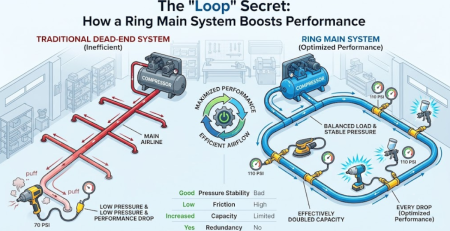
How a Ring Main System Boosts Performance
Discover the power of a Ring Main system. Learn how looping your compressed air lines stabilizes pressure, cuts friction, and...
Compressed Air Piping
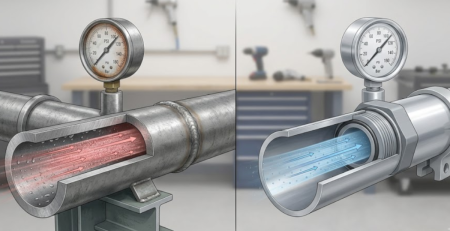
Aluminum: Why Facilities are Trading Steel
Modern facilities are replacing steel with aluminum piping for better efficiency, cleaner air, lower maintenance, and long-term cost savings.
Compressed Air Piping
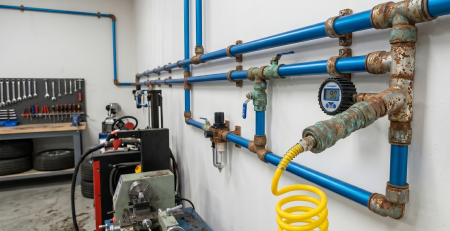
Meeting ESG Goals with Efficient Air Piping
Zero-Leak Sustainability: Learn how efficient air piping can reduce energy waste, lower emissions, and help industrial facilities meet ESG goals.
Fluid Distribution, Compressed Air Piping
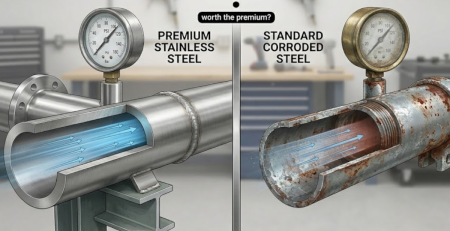
Is Stainless Steel Worth the Premium?
Is stainless steel piping worth the premium? Explore how corrosion resistance, energy savings, and longevity can deliver long-term ROI.
Compressed Air Piping
Undersized Compressed Air System: 5 Signs
5 Signs Your Compressed Air System is Undersized (And How to Fix It)In the world of manufacturing, a compressed...
Compressed Air Piping
Aluminum Piping vs. Black Iron: Best Compressed Air?
Aluminum vs. Black Iron: Why Your Piping Material Choice is Killing Your ToolsWhen setting up a compressed air system, most...
Compressed Air Piping, Fluid Distribution, Prevost How To
Addressing Costly Air Leaks
How Much Are Your Air Leaks Actually Costing You?Often times the "hiss" of a compressed air leak blends into the...
Prevost How To, Compressed Air Piping
Care Guide for Prevost Piping Systems
Care Guide for Prevost Piping SystemsWhen you choose a Prevost Piping System, you aren't just buying pipe—you are investing in...
Prevost How To, Compressed Air Piping
5 Steps to the Perfect Prevost Piping System (PPS) Layout
5 Steps to the Perfect Piping Layout Using Prevost Piping System (PPS)Is your compressed air system costing you money?If your...
Fluid Distribution
More Than Just Hot Air
More Than Just Hot Air: Why Prevost Blow Guns Are the Industry Standard for Safety and EfficiencyIn any industrial workshop,...