Meeting ESG Goals with Efficient Air Piping

Zero-Leak Sustainability: Meeting ESG Goals with Efficient Air Piping

In today’s industrial world, sustainability is no longer just a corporate talking point. Environmental, Social, and Governance (ESG) goals have become important measurements of operational efficiency, cost control, and long-term business planning.

Many companies focus their sustainability efforts on large projects such as renewable energy, electric vehicles, or facility upgrades. However, one of the easiest places to reduce energy waste is often already inside the building: the compressed air system.

Compressed air is essential for thousands of industrial applications, including pneumatic tools, automation equipment, manufacturing machinery, and production processes. But because compressed air is created using electricity, every leak, pressure drop, or inefficient component represents wasted energy.

A properly designed zero-leak compressed air system helps facilities reduce energy consumption, lower operating costs, improve equipment performance, and make measurable progress toward sustainability goals.

The Hidden Carbon Footprint of Compressed Air

Compressed air is one of the most widely used utilities in industrial facilities, but it is also one of the least efficient. Producing compressed air requires a significant amount of electrical energy because compressors must take atmospheric air and compress it into a usable form.

In many cases, it takes approximately 7 to 8 horsepower of electrical energy to produce only 1 horsepower of usable compressed air power. The remaining energy is lost through heat, system losses, and inefficiencies.

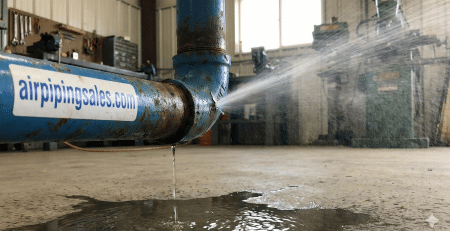
When a compressed air system develops leaks, the compressor continues working to replace air that never reaches a tool or machine. That means the facility is paying for electricity to generate air that performs no useful work.

Consider the impact:

  • A 100-horsepower compressor running continuously can represent hundreds of tons of annual carbon emissions depending on the electricity source.
  • A compressed air system with a 20% to 30% leak rate can waste a significant portion of the energy used to operate the compressor.
  • Reducing leaks lowers energy demand and helps decrease indirect emissions associated with purchased electricity.

For companies tracking sustainability metrics, reducing compressed air waste is one of the fastest ways to improve energy efficiency without changing production output.

Why Compressed Air Leaks Are an ESG Problem

Leaks are often viewed as a maintenance issue, but they are also a sustainability issue. A leaking fitting, damaged hose, worn connection, or aging pipe is constantly consuming energy without contributing to production.

Older compressed air systems are especially vulnerable. Traditional piping materials and outdated installation methods can create problems over time, including corrosion, pressure loss, and failing connections.

Common causes of compressed air waste include:

  • Threaded pipe connections: Traditional threaded systems can develop small leaks as fittings loosen or sealants deteriorate.
  • Corrosion: Moisture inside steel piping can create rust buildup and microscopic leak points.
  • Poor system design: Undersized piping and excessive bends increase pressure drop and force compressors to work harder.
  • Aging components: Old hoses, valves, regulators, and fittings can gradually reduce system efficiency.

Preventing these issues requires looking at the entire compressed air system, including the compressor, dryer, filtration, storage, and distribution piping.

Why Traditional Piping Can Hurt Sustainability Goals

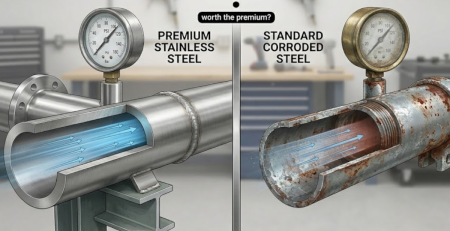
Many older facilities rely on black iron or galvanized steel compressed air piping. While these materials have been used for decades, they can create efficiency challenges as the system ages.

Moisture is unavoidable in compressed air. During compression, water vapor is concentrated and must be removed using dryers and filtration equipment. When moisture remains inside traditional steel piping, corrosion can slowly develop.

This creates several problems:

  1. Internal Degradation: Corrosion creates rough surfaces and weak points inside the pipe. Over time, this can lead to leaks that are difficult to locate.
  2. Increased Friction Loss: Rust and scale buildup create resistance inside the pipe. The compressor must work harder to maintain pressure at the point of use.
  3. Shorter Equipment Life: Contaminants from deteriorating pipes can damage pneumatic tools, valves, and production equipment.
  4. Material Waste: Heavy, permanent piping systems can be difficult to modify, reuse, or relocate when facilities change.

For companies focused on ESG improvements, the goal is not only reducing waste today but also building infrastructure that remains efficient for years to come.

The Aluminum Piping Advantage

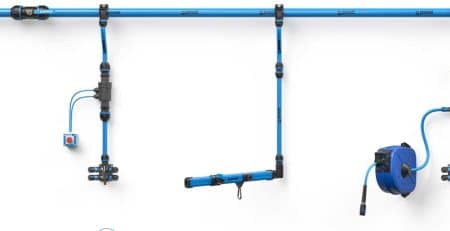
Modern aluminum compressed air piping systems have become a popular solution for facilities looking to improve efficiency and sustainability. These systems are designed specifically for compressed air distribution and provide advantages over traditional piping materials.

Aluminum piping supports sustainability goals by improving airflow, reducing leaks, and allowing facilities to adapt their compressed air systems as needs change.

ESG FactorHow Aluminum Piping Helps
Energy EfficiencySmooth internal surfaces reduce friction and pressure loss, helping compressors operate more efficiently.
Leak ReductionModern compression-style fittings create reliable connections that reduce common leak points.
Material SustainabilityAluminum is recyclable and modular systems can often be expanded or reconfigured.
Equipment ProtectionCleaner air reduces contamination and extends the service life of pneumatic equipment.

Compressed Air Efficiency Starts With the Whole System

A zero-leak compressed air system requires more than just high-quality piping. Every component plays a role in reducing energy waste.

Important parts of an efficient compressed air system include:

  • Air Compressors: Efficient compressor selection helps match air production with facility demand.
  • Air Dryers: Proper drying removes moisture that can damage piping and downstream equipment.
  • Air Filters: Filtration protects tools and processes by removing oil, water, and contaminants.
  • Air Storage Tanks: Receivers help stabilize pressure and reduce unnecessary compressor cycling.
  • Regulators and Controls: Proper pressure management prevents wasted energy from excessive system pressure.
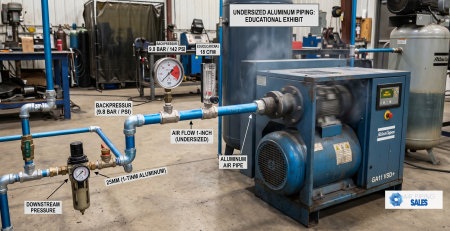
  • Compressed Air Piping: Efficient distribution ensures air reaches every point of use with minimal loss.

When these components work together, facilities can achieve better performance while using less energy.

Turning Maintenance Into a Sustainability Strategy

When requesting capital improvements for a compressed air system, the conversation should not only focus on repairs. A piping upgrade can be positioned as an investment in energy efficiency and sustainability.

A zero-leak system can help facilities:

  • Lower Energy Consumption: Reduce compressor runtime and wasted electricity.
  • Improve Production Efficiency: Deliver stable pressure and airflow to equipment.
  • Reduce Maintenance: Prevent moisture damage, leaks, and premature equipment failure.
  • Support ESG Reporting: Demonstrate measurable improvements in operational sustainability.

Summary: Building a More Efficient Future With Better Air Piping

Sustainability does not always require a major technology overhaul. Often, the biggest improvements come from optimizing the systems already running every day.

A compressed air system with leaks, pressure loss, and outdated piping is wasting energy that could be used for production. By upgrading to efficient piping, improving air treatment, and maintaining a zero-leak approach, facilities can lower costs while reducing their environmental impact.

A modern compressed air system is not just an equipment investment. It is an investment in reliability, efficiency, and a more sustainable future.

Need Help Improving Your Compressed Air System?

Air Piping Sales can help you design a more efficient compressed air solution for your facility. Whether you need assistance selecting piping, dryers, filters, compressors, drains, or other compressed air components, our team can help you find the right products for your application.

Contact Air Piping Sales today for more information, product recommendations, or help creating a cleaner, more efficient, and sustainable compressed air system.

Want to learn more about the complete air system? Visit Compressor Now equipment sales. Or need help with tool selection visit Pneumatic Now tool sales.