Aluminum: Why Facilities are Trading Steel

The Great Piping Debate: Why Modern Facilities Are Trading Steel for Aluminum

If you walk into a manufacturing plant built thirty years ago, you will likely see a network of black iron or galvanized steel pipes running overhead. These systems were once considered the industry standard because they were strong, familiar, and widely available.

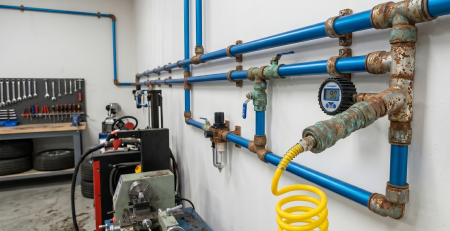
However, walk into a newer, high-efficiency manufacturing facility and you are more likely to see modern aluminum compressed air piping systems. The difference is not just appearance. Industrial facilities are changing the way they distribute compressed air because the piping system has a major impact on energy efficiency, maintenance costs, and overall performance.

While steel piping served the industry well for decades, aluminum has become the preferred choice for many modern compressed air installations. The reason is simple: compressed air systems are only as efficient as the network delivering air to the equipment.

A compressor may generate the air, but the piping determines how effectively that air reaches your tools, machines, and production equipment.

The Hidden Cost of “Cheap” Steel Piping

At first glance, traditional steel piping may appear to be the lower-cost option. The material price per foot is often less than aluminum, making it attractive for facilities focused only on upfront expenses.

The problem is that the initial purchase price does not tell the whole story. The real cost of a compressed air system includes installation, maintenance, energy consumption, downtime, and future modifications.

Steel piping can become expensive over its lifetime because of several factors:

  • Labor-Intensive Installation: Steel pipe installation typically requires cutting, threading, sealing, and heavy equipment. The process takes more time and often requires more labor compared to modern modular piping systems.
  • Weight and Handling: Steel is heavy. Larger systems require stronger supports, additional manpower, and more difficult installation procedures.
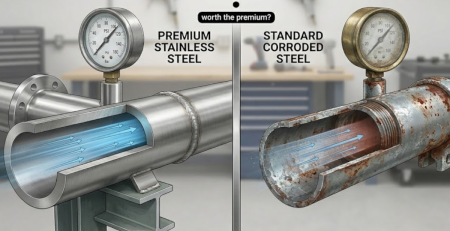
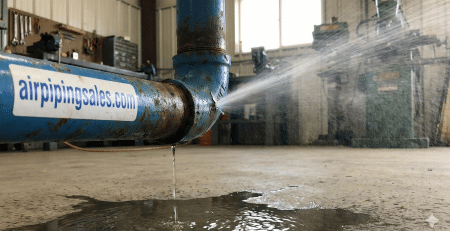
  • Internal Corrosion: Moisture is unavoidable in compressed air systems. Over time, water inside steel piping can cause rust and scaling that restrict airflow.
  • Maintenance Challenges: Once installed, modifying a steel system can require cutting, draining, and shutting down sections of the compressed air network.

A compressed air system should be viewed as a long-term investment. A cheaper installation today may create higher operating costs for years.

Understanding the Role of Piping in a Compressed Air System

Many facilities focus heavily on selecting the right compressor, but the distribution system is equally important. Compressed air travels through the piping network before it reaches the point of use, and every restriction or leak reduces performance.

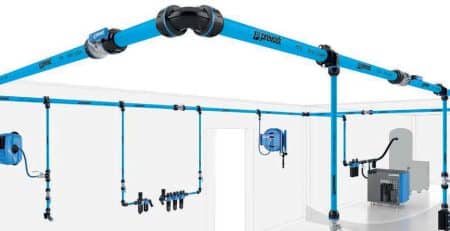
A complete compressed air system usually includes:

  • Air Compressors: Equipment that creates compressed air for industrial applications.
  • Air Receivers: Storage tanks that help stabilize pressure and reduce compressor cycling.
  • Air Dryers: Systems that remove moisture to prevent corrosion and contamination.
  • Air Filters: Components that remove oil, water, and particles from compressed air.
  • Piping Distribution: The network that delivers air throughout the facility.
  • Regulators and Drops: Controls that provide the correct pressure at each workstation.

The piping system connects everything together. If the piping creates excessive pressure drop or leaks, the compressor must work harder to maintain performance.

The Aluminum Advantage: Efficiency From Day One

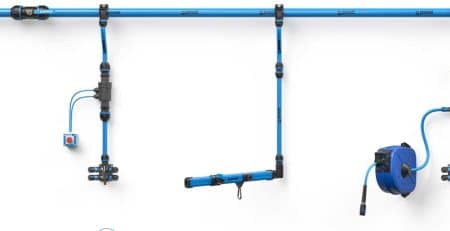
Modern aluminum piping systems are designed specifically for compressed air distribution. Unlike traditional steel systems, aluminum piping maintains performance over time with less maintenance.

The benefits begin immediately after installation and continue throughout the life of the system.

Smoother Airflow and Lower Pressure Drop

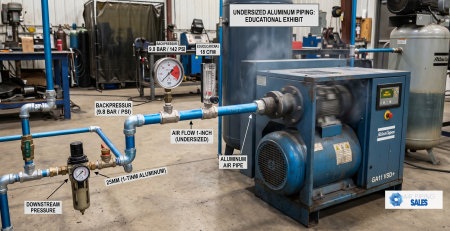
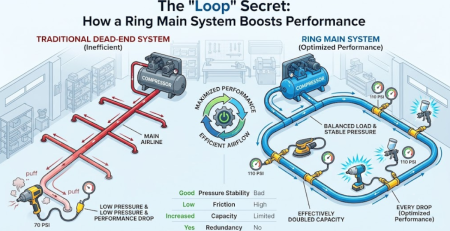
One of the biggest advantages of aluminum piping is the smooth internal surface. Air moves more efficiently through a clean, consistent pipe interior with less turbulence and friction.

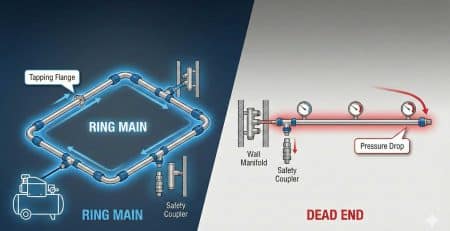
Pressure drop occurs when compressed air loses energy as it travels through the system. Excessive pressure drop forces facilities to increase compressor pressure, which increases energy consumption.

By reducing friction loss, aluminum piping helps deliver more usable pressure to tools and equipment without requiring additional compressor output.

Leak-Resistant Connections

Compressed air leaks are one of the most common sources of wasted energy in industrial facilities. Even small leaks can add up over time, forcing compressors to run longer than necessary.

Traditional threaded steel connections can develop leaks as fittings loosen, sealants degrade, or corrosion occurs. Modern aluminum systems typically use engineered connection methods designed for reliable sealing.

Fewer leaks mean:

  • Lower compressor runtime
  • Reduced energy waste
  • More consistent pressure
  • Lower operating costs

Air Quality and Long-Term System Reliability

Compressed air quality is critical in many industries. Manufacturing, food processing, electronics, pharmaceuticals, and automation applications often require clean and reliable air.

Moisture inside a compressed air system can create major problems. In steel piping, moisture can lead to internal corrosion, rust particles, and contamination moving downstream.

Aluminum piping provides several advantages:

  • Corrosion Resistance: Aluminum does not rust like traditional steel piping, helping maintain cleaner airflow.
  • Protection for Equipment: Cleaner air helps protect pneumatic tools, valves, cylinders, and sensitive machinery.
  • Reduced Maintenance: Less corrosion means fewer clogged filters and fewer repairs caused by contamination.

Steel vs. Aluminum Compressed Air Piping

FeatureSteel PipingAluminum Piping
InstallationSlower installation requiring threading and heavy laborFast modular installation
WeightHeavy and difficult to handleLightweight and easier to install
CorrosionCan develop internal rust and scalingResists corrosion
AirflowCan decrease as buildup occursMaintains smooth airflow
ExpansionDifficult to modifyEasy to expand or relocate
MaintenanceHigher long-term maintenance needsLower maintenance requirements

Future-Proofing Your Facility With Modular Design

Modern manufacturing facilities are constantly changing. Production lines move, equipment is added, and layouts are adjusted to improve workflow.

A compressed air system should be able to adapt with the facility instead of becoming an obstacle.

With traditional steel piping, adding a new air drop can require shutting down sections of the system, cutting pipe, and installing new fittings.

Modular aluminum systems make changes much easier. Additional drops, extensions, and modifications can often be completed quickly without major disruption to production.

This flexibility is especially valuable for growing facilities that expect future expansion.

The Total Cost of Ownership Advantage

The most important factor when comparing piping materials is not only the initial cost. It is the total cost of ownership.

A properly designed aluminum compressed air system can reduce expenses through:

  • Lower energy usage: Reduced pressure loss means compressors operate more efficiently.
  • Lower maintenance: Less corrosion and fewer leaks reduce repair requirements.
  • Faster installation: Reduced labor time lowers project costs.
  • Future flexibility: Easier modifications reduce future upgrade expenses.

Summary: Why Facilities Are Choosing Aluminum

The shift from steel to aluminum compressed air piping is not simply a trend. It reflects a change in how modern facilities think about efficiency, reliability, and long-term operating costs.

Steel piping may have been the traditional choice, but aluminum offers advantages in airflow, installation speed, corrosion resistance, energy savings, and flexibility.

For facilities looking to improve their compressed air systems, upgrading the piping network can be one of the most effective improvements they make.

Need Help Choosing the Right Air Piping Solution?

Air Piping Sales can help you evaluate your compressed air system and select the right piping, fittings, dryers, filters, compressors, and accessories for your application.

Contact Air Piping Sales today for more information, product recommendations, or assistance designing an efficient compressed air distribution system built for the future.

Want to learn more about the complete air system? Visit Compressor Now equipment sales. Or need help with tool selection visit Pneumatic Now tool sales.