

5 Signs Your Compressed Air System is Undersized (And How to Fix It)
In the world of manufacturing, a compressed air system is the heartbeat of the operation. But as shops grow, add new machinery, or increase shift speeds, that heartbeat can start to falter.
An undersized system isn’t just an inconvenience; it’s a silent productivity killer. If your compressors are struggling to keep up, you aren’t just losing air, you’re losing money. Here are five unmistakable signs that your system has been outgrown, and what you can do to get back up to speed.
1. The “Pressure Rollercoaster”
Do your tools work perfectly at 7:00 AM but feel sluggish by 10:00 AM? If you notice significant pressure drops during peak production hours, your system likely lacks the CFM (Cubic Feet per Minute) capacity to handle the simultaneous demand of all your equipment.
2. Rapid Cycling (The “Panting” Compressor)
A compressor that turns on and off every few minutes, or worse, every few seconds, is a major red flag. This “short-cycling” happens when your storage tank is too small for the demand. Not only does this waste energy, but it also fries your motor and starter components prematurely.
3. Excessive Moisture and Heat
When a compressor is undersized, it has to run longer (often 100% duty cycle) to maintain pressure. This causes the pump to overheat. Hot air holds more moisture than cool air, which overwhelms your dryers and sends liquid water straight into your expensive CNC machines and pneumatic tools.
4. High Maintenance Frequency
Are you replacing belts, oil, and filters faster than the manufacturer’s recommended intervals? An overworked compressor is like a car driven at its redline 24/7. If your maintenance costs are spiking, the machine is likely screaming for help.
5. The “Wait Time”
If your operators have to stop working to “let the air catch up,” you have a definitive capacity issue. In a modern lean manufacturing environment, waiting for air is the ultimate form of wasted labor.
How to Fix an Undersized System
You don’t always have to buy a massive new compressor to solve these issues. Sometimes, a strategic “tweak” is all you need.
| Solution | Best For… | Impact |
|---|---|---|
| Add a Receiver Tank | Short-cycling and sudden bursts of demand. | Provides a “buffer” of stored energy. |
| Check for Leaks | Systems that run even when no tools are in use. | Can reclaim up to 30% of lost capacity. |
| Sequence Multiple Units | Facilities with varying demand throughout the day. | Connects two smaller compressors for efficiency. |
| Upgrade Piping | High pressure drop between the tank and the tool. | Reduces friction and “starvation” at the tool. |
The Bottom Line: Don’t Guess, Measure
Before you go out and spend $20,000 on a new rotary screw compressor, it’s vital to perform a data logging audit. By measuring your actual air usage over a week, you can determine if you need more storage (gallons) or more flow (CFM).
Running an undersized system is like trying to run a marathon while breathing through a straw. It’s exhausting, inefficient, and eventually, something is going to break.
Don’t Let Your System Fall Behind
Running an undersized system is like trying to run a marathon while breathing through a straw. It’s exhausting, inefficient, and eventually, something is going to break.
Ready to stop losing pressure and start maximizing your efficiency? Whether you need upgraded fittings or new piping runs for your system, we’re here to help at airpipingsales.com. Please reach out today to speak with one of our experts.
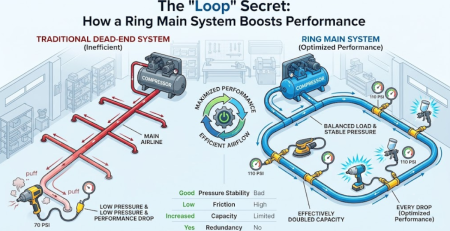
How a Ring Main System Boosts Performance
Discover the power of a Ring Main system. Learn how looping your compressed air lines stabilizes pressure, cuts friction, and...
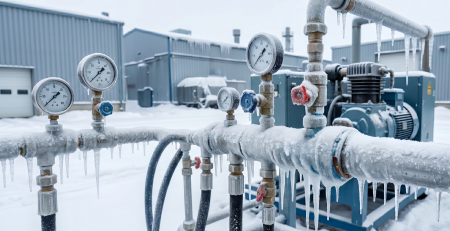
Prevent Frozen Compressed Air Lines in Winter
Don't let freezing temperatures ruin your tools. Learn how to winter-proof your compressed air lines and prevent ice plugs from...
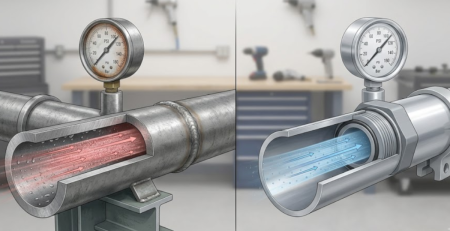
Aluminum: Why Facilities are Trading Steel
Modern facilities are replacing steel with aluminum piping for better efficiency, cleaner air, lower maintenance, and long-term cost savings.
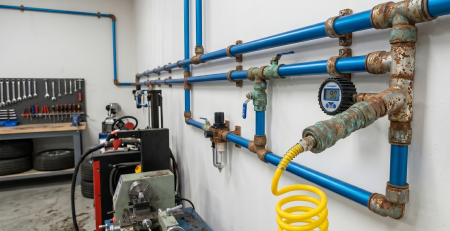
Meeting ESG Goals with Efficient Air Piping
Zero-Leak Sustainability: Learn how efficient air piping can reduce energy waste, lower emissions, and help industrial facilities meet ESG goals.
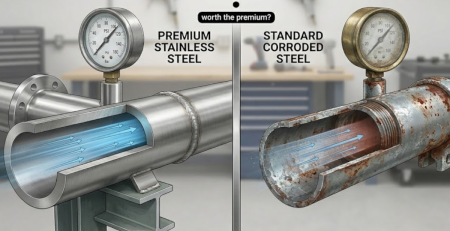
Is Stainless Steel Worth the Premium?
Is stainless steel piping worth the premium? Explore how corrosion resistance, energy savings, and longevity can deliver long-term ROI.
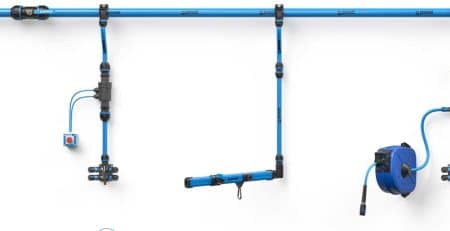
Aluminum Piping vs. Black Iron: Best Compressed Air?
Aluminum vs. Black Iron: Why Your Piping Material Choice is Killing Your ToolsWhen setting up a compressed air system, most...
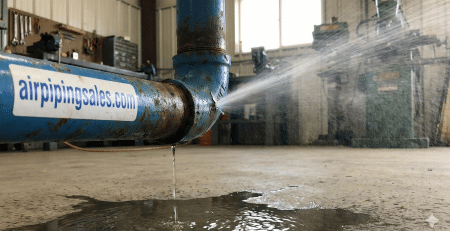
Addressing Costly Air Leaks
How Much Are Your Air Leaks Actually Costing You?Often times the "hiss" of a compressed air leak blends into the...
Care Guide for Prevost Piping Systems
Care Guide for Prevost Piping SystemsWhen you choose a Prevost Piping System, you aren't just buying pipe—you are investing in...
5 Steps to the Perfect Prevost Piping System (PPS) Layout
5 Steps to the Perfect Piping Layout Using Prevost Piping System (PPS)Is your compressed air system costing you money?If your...